Links
Website traffic
Today
Current Week
Current Month
Total
Get the latest news
If you would like to receive regular updates, please register by email here.

Introduction to a new menu on the corporate web site - the Historty of the Mongolian People's Republic
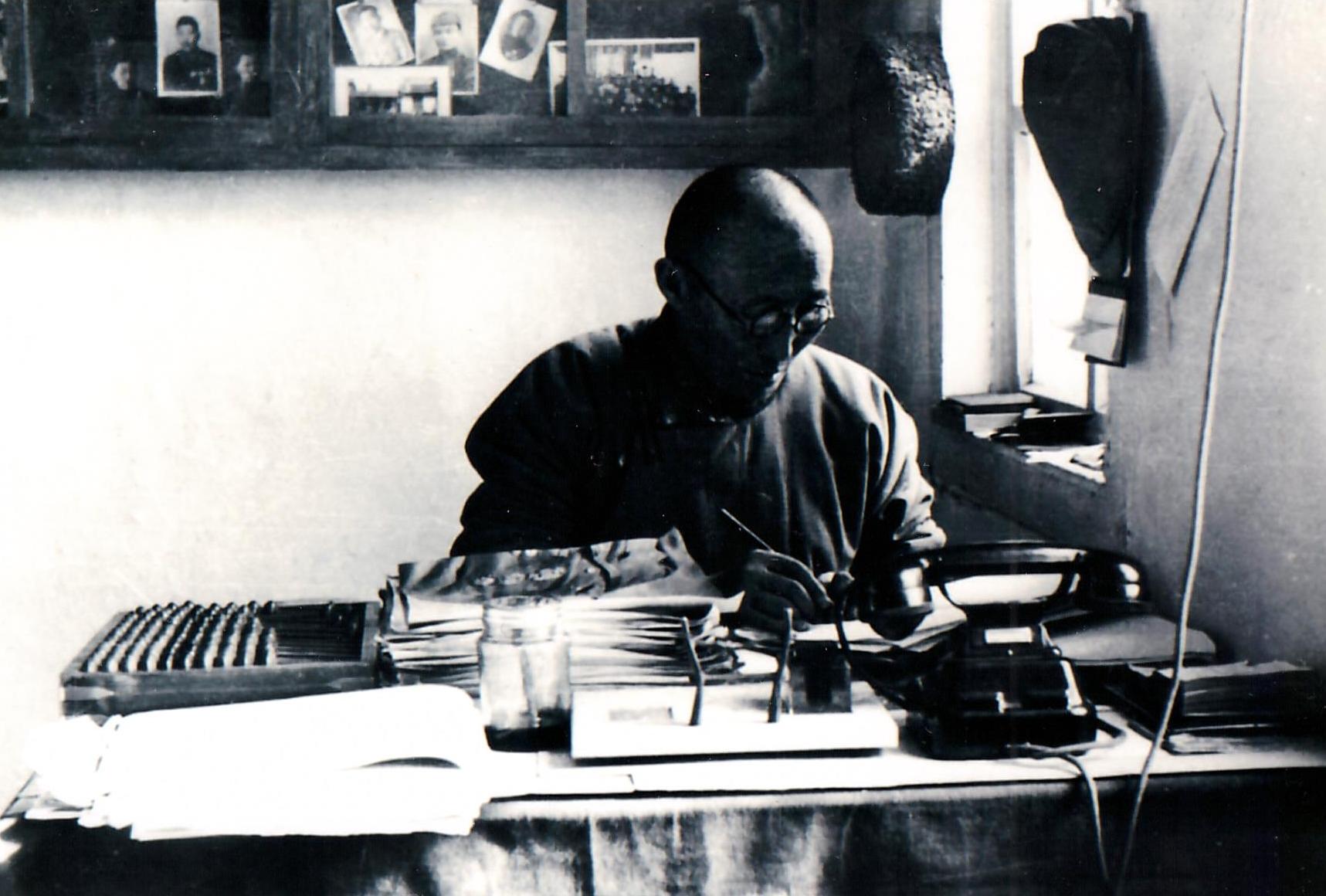
The records kept and censuses conducted by the states and tribes that existed and established their own states in the territory of Central Asia can be considered the earliest history of our registration and statistics, as evidenced by the following facts. It is fascinating to note that the concept of 'household', used by these states and tribes for population registration over 2000 years ago, the method of 'head counting by making livestock run in line', and the amount of taxes levied and the number of people conscripted into the military have been preserved for many years, and some even to this day.
The historical documents indicate that 'during the period of Laoshang Chanyu ruling in 174-163 BCE, the Khunnu Empire used to count the population of the country that led to a more organised state taxation' and 'to mark up the age of people and livestock, the Khunnu Empire carried out registration on the Dog day of September when they had a meeting (worship) in Daylan', and 'the Hunnu Empire had 22.8-28.5 million livestock, given that it had a population of 1.5-2.0 million and based on the fact that there were 19 animals per person in 72 BCE”.
Under the reign of Guyeg Khaan, a population census was conducted in the winter of 1247, as written by the statesman and historian Rashid-al-Din in his work 'Sudarin chuulgan' (Compendium of Chronicles). After being proclaimed the Khaan of the Great Mongol Empire in 1251, Munkh Khaan conducted a population registration and census across the empire, which is recorded in history.
The population, livestock, and property registrations and censuses were consistently conducted during the periods of the ancient nomads, the Great Mongol Empire, its successor Khanate, and the Manchu Qing dynasty, as recorded in historical sources.
One of the most well-founded major statistical programs during the Autonomous Monarchy of Mongolia was the Population and Livestock 1918 Census. This census was organized by the then Government of the Autonomous Monarchy, with many provinces and districts conducting their own registrations and counts, which were then reviewed and verified by the Ministry of Internal Affairs.
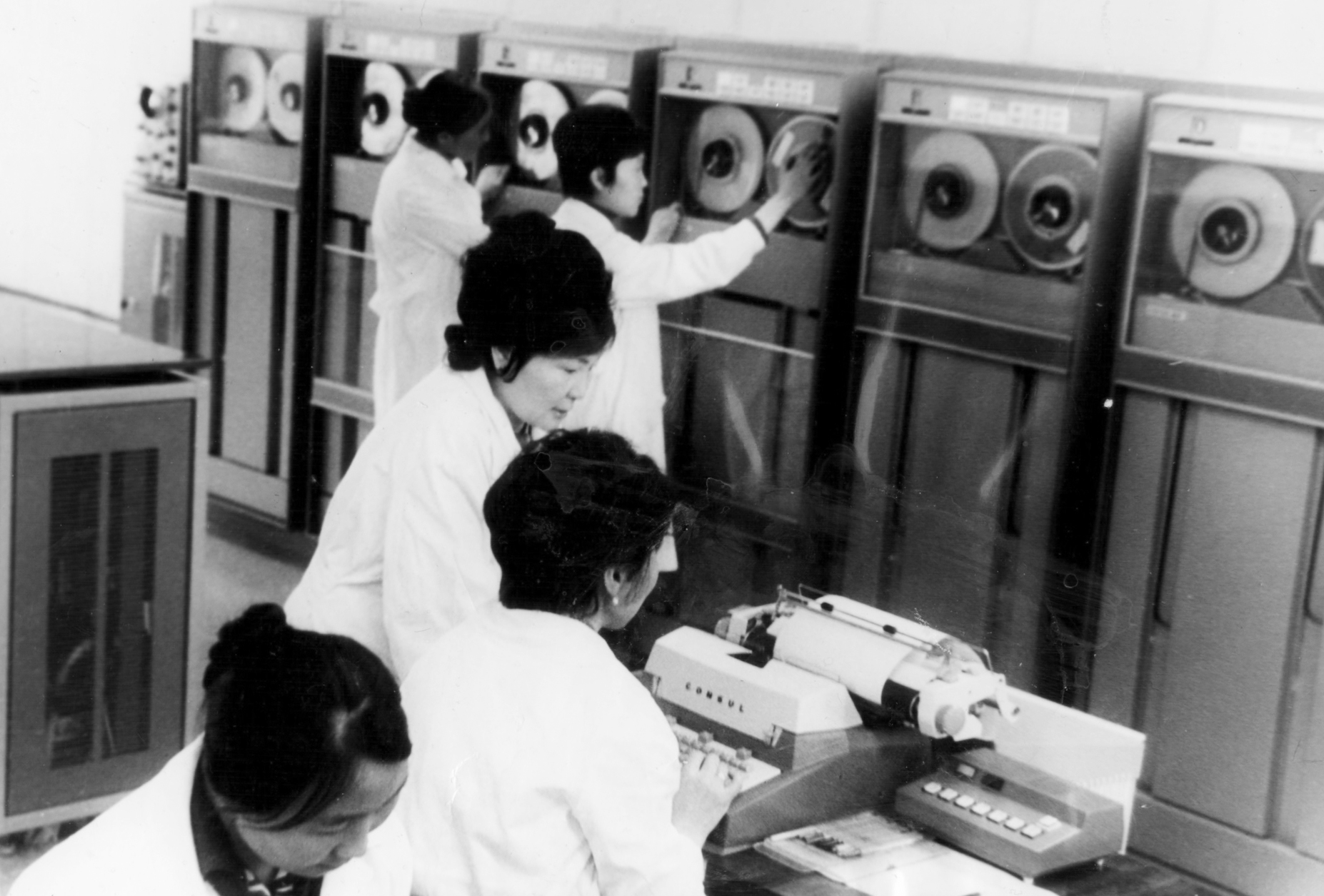
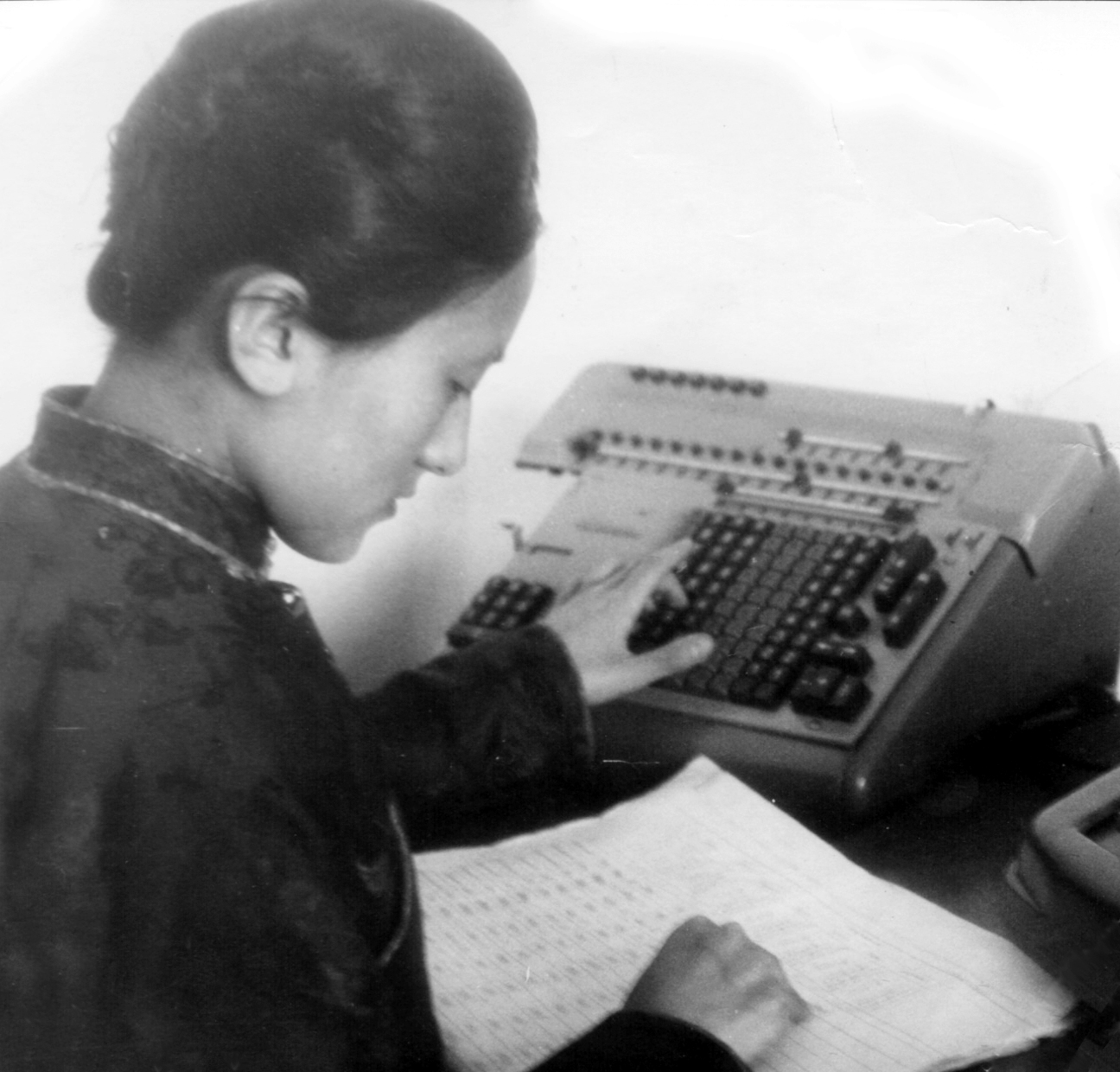
This year marks the Centennial anniversary of the establishment of Mongolia’s modern statistical institution, founded in 1924. In commemoration of this historic milestone, we have prepared a digital dataset for public access. The data contained in the webpage serves as a useful source for research and other purposes by users, researchers, journalists, and all interested parties.
This webpage - Historical Data contains long time series reflecting the economic and social development of the Mongolian People’s Republic (MPR) prior to the adoption of new Constitution of Mongolia in 1992.
The compilation has systematically been prepared using official statistical publications and materials previously issued by the National Statistical Office (NSO).
The National Statistical Office continues to fulfill its historic mission of documenting the nation’s socio-economic development through data. By digitizing and preserving MPR-era statistical data, we ensure these valuable historical resources remain accessible for future generations.